What Is a Donut Making Machine?
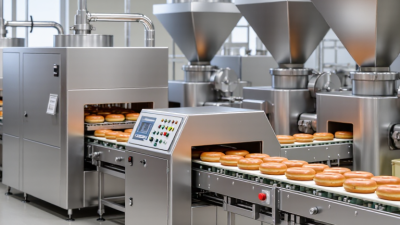
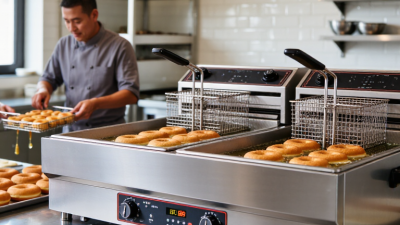
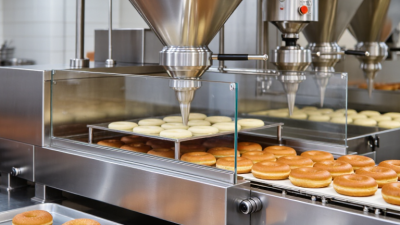
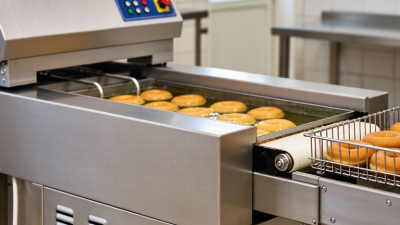
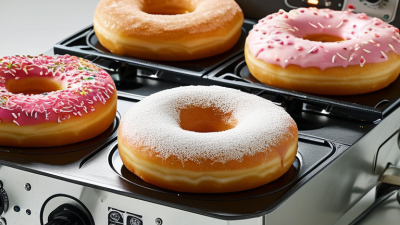
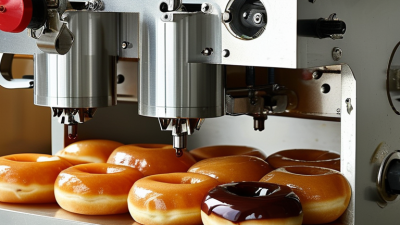
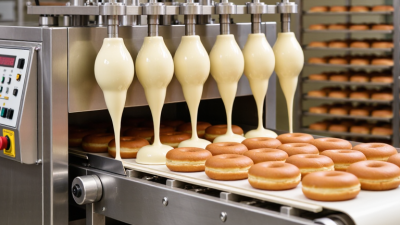
A donut making machine is basically equipment made to shape, fry, bake, or process donuts in a more consistent way than doing it by hand. Depending on the model, it might portion the dough, form rings or filled centers, control how long they cook, and even move the donuts along a conveyor belt. Some machines are perfect for small bakery batches, while others are big setups that handle everything from mixing and depositing to frying, cooling, and glazing. The setup can vary quite a bit. Keep in mind, a machine isn’t a magic wand—it doesn’t make every recipe work perfectly. Things like dough texture, hydration level, and proofing still play a big role in the final result.
If you're a bakery owner, the question isn’t just about how many donuts the machine can crank out in an hour. Things like the range of products you want to make, the space you have available, how easy it is to clean, your power supply, and the skills needed to operate the equipment are just as important. For example, a small tabletop depositor might be perfect if your space is limited, whereas a continuous fryer could be better if you’re aiming for high-volume production. When shopping around, ask suppliers for capacity estimates based on realistic dough conditions—not just the headline number. Also, pay attention to details like temperature controls, safety guards, emergency stops, and whether the materials used meet local food safety standards. Little things, like a tricky cleaning gap, can slow your team down every single day.
Sure, a donut making machine can help make portion sizes more accurate and cut down on repetitive handling, but it also means added maintenance, training, and an upfront investment. No machine is foolproof. It's a good idea to test it out with your own dough first—look out for sticking, uneven coloring, or awkward product changes before making a purchase. The best decisions come from matching the right equipment to your actual recipes and staff, and then confirming performance through documented tests. Of course, some uncertainty might remain, especially if your production needs change down the line. That’s normal and deserves honest consideration. This guide will walk you through common machine types, how they work, and what to think about when choosing one.
Read more »